
Quick Answer
Bone conduction headphones production cost is primarily influenced by transducer quality, material selection, and R&D complexity. A reliable bone conduction headphones manufacturer must balance these technical requirements against production volume. High-performance features, such as those found in a specialized swimming headphones manufacturer output, significantly increase Bill of Materials (BOM) costs. Additionally, custom tooling for OEM bone conduction headphones, firmware development, and necessary compliance testing impact the final unit price for ODM bone conduction headphones and private label bone conduction headphones projects.
Detailed Answer
The cost structure of bone conduction audio products differs significantly from traditional air-conduction earbuds due to the specialized nature of the vibration transducers. Understanding these variables is essential for any brand manager or procurement specialist.
1. Transducer and Acoustic Components
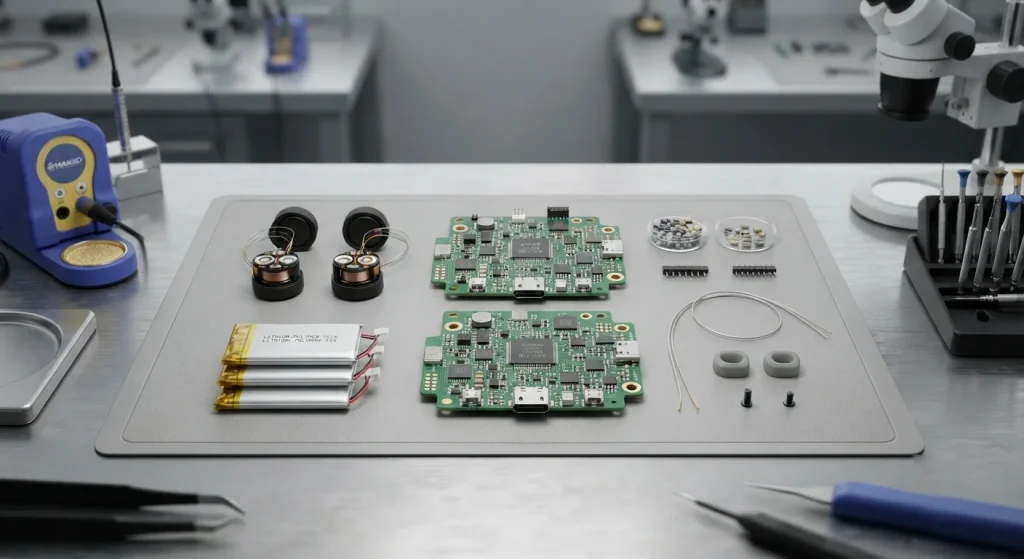
The vibration transducer is the core of any bone conduction device. High-end transducers that offer deep bass and clear mid-frequencies are substantially more expensive than generic, low-vibration units. A premium bone conduction headphones manufacturer invests heavily in driver technology to minimize sound leakage and distortion, which directly increases the BOM cost.
2. IPX Rating and Waterproofing
For devices requiring IP68 certification, the manufacturing process becomes significantly more complex. Achieving a perfect seal requires advanced adhesive application, precise structural engineering, and rigorous pressure testing. A dedicated swimming headphones manufacturer must implement these quality controls, adding labor costs and potential yield loss during production, which are reflected in the final price of ODM bone conduction headphones.
3. Chipset and Connectivity
The choice of Bluetooth SoC (System on Chip) impacts both cost and user experience. Low-cost chips may suffer from latency and poor connection stability. Conversely, chips supporting the latest Bluetooth standards (like 5.3 or 5.4) and advanced audio codecs increase the price. When developing OEM bone conduction headphones, selecting the right chipset is a strategic decision that balances performance with market positioning.
4. Tooling and R&D Amortization
For brands looking to launch private label bone conduction headphones, the initial investment in industrial design (ID) and mechanical engineering (ME) is a major factor. Developing custom molds (tooling) for a unique headset design requires a high upfront cost. This cost is typically amortized over the total production volume. Therefore, lower production numbers usually result in a higher per-unit cost due to the higher impact of tooling amortization.
Comparison Table
| Cost Factor | Impact on Unit Price | Description |
| Transducer Quality | High | Affects audio fidelity and vibration output |
| IP68 Waterproofing | Medium/High | Increases sealing complexity and testing time |
| Custom Tooling | High (One-time) | Influences initial investment and MOQ |
| Bluetooth Chipset | Medium | Affects stability, battery life, and latency |
| Certifications (CE/FCC) | Low/Medium | Necessary for legal entry into target markets |
Industry Insight
In the consumer electronics supply chain, the cost of bone conduction headphones is often tied to the “yield rate”—the percentage of finished products that pass QC on the first attempt. A high-quality bone conduction headphones manufacturer will have higher upfront overhead but lower long-term costs because they minimize defects. Buyers often make the mistake of comparing quote prices from different factories without analyzing the yield data or the grade of raw materials used. A factory that quotes an unusually low price for ODM bone conduction headphones often uses lower-grade batteries or cuts corners on the waterproof testing protocol, which can lead to catastrophic return rates for the brand owner later in the supply chain.
Buyer Tips
- Clarify Component Grades: Always ask your bone conduction headphones manufacturer for the specific model number of the transducer and battery being used.
- Volume Pricing: Understand that production costs scale with volume. Request tiered quotes (e.g., for 1,000, 3,000, and 5,000 units) to see the break-even point for tooling costs.
- Factor in Compliance: Remember that certifications like CE, FCC, RoHS, and Bluetooth SIG listing fees are fixed costs that you must account for, regardless of the factory’s production price.
- Request a Breakdown: A professional partner should be willing to provide a breakdown of costs for materials, labor, and overhead.
Common Mistakes
- Overlooking Tooling Amortization: Assuming that the unit price remains the same regardless of whether you order 500 units or 5,000 units.
- Neglecting IPX Verification Costs: Assuming “waterproof” is a standard feature that costs nothing extra to implement; verified IP68 testing adds to the production time and labor.
- Ignoring Lifecycle Costs: Focusing only on the initial purchase price and failing to consider the long-term impact of potential warranty claims due to poor component selection.
Recommended Internal Links
Related Questions
- How does the MOQ impact the per-unit cost of headphones?
- Why do waterproof headphones cost more than standard models?
- How do I compare quotes from different headphone manufacturers?
- What is the standard lead time for new bone conduction headphone tooling?
Summary
Understanding the financial variables behind your production is critical for building a profitable audio brand. Whether you are sourcing OEM bone conduction headphones for an initial market test or scaling a high-volume private label bone conduction headphones line, transparency is key. Work closely with your bone conduction headphones manufacturer to define your technical requirements early, as these choices directly dictate the MOQ and the ultimate production cost. By selecting the right features for your target audience—be it standard listening or specialized aquatic use from a reliable swimming headphones manufacturer—you can optimize your margins while delivering a high-quality product to your customers.