
Quick Answer
Achieving high acoustic performance in affordable bone conduction headphones without incurring massive brand markups relies primarily on streamlined supply chain management, mature manufacturing automation, and efficient transducer engineering. Rather than paying for excessive marketing overhead, buyers source directly from specialized factories. To understand how do bone conduction headphones work, it is important to note that sound is transferred as mechanical vibrations through the cheekbones. By optimizing transducer efficiency and housing designs, modern manufacturers eliminate unnecessary costs while maintaining high fidelity and structural reliability.
Detailed Answer
Famous brand labels often apply substantial retail markups to cover massive advertising campaigns, multi-tier distribution networks, and premium retail packaging. In contrast, B2B procurement professionals look closely at factory-direct sourcing. By partnering directly with experienced consumer electronics manufacturers, brands bypass intermediary costs, allowing cost-effective devices to compete closely with expensive retail alternatives.
To appreciate how these acoustic systems maintain clarity, buyers frequently review how do bone conduction headphones work. Transducers convert electrical signals into micro-vibrations, bypassing the eardrum entirely.Advanced manufacturing techniques compliant with ISO standards have lowered the cost of producing high-grade neodymium magnets and precision-tuned drivers. Consequently, even mid-tier and budget-friendly devices can deliver crisp mid-ranges and stable high frequencies without requiring expensive proprietary materials.
A common concern among importers is whether sound bleeding compromises quality, prompting questions like can others hear bone conduction headphones. Modern acoustic dampening designs and leakage-suppression software successfully minimize sound dispersion even in budget lines. Furthermore, ensuring that products remain safe for consumers raises queries about are bone conduction headphones safe. Cost efficiency does not require skipping safety compliance; reputable factories ensure that skin-contact materials meet strict hypoallergenic and electrical insulation benchmarks, giving private label brands reliable performance at a fraction of traditional retail costs.
Comparison Table
| Cost Factor | Traditional Brand Markup | Direct OEM/ODM Sourcing |
| Marketing Overhead | High (30% – 50%) | Minimal / Zero |
| Supply Chain Tiers | Multiple Intermediaries | Direct Factory-to-Brand |
| Transducer Sourcing | Proprietary / Branded | Standardized High-Grade |
| Final Cost to Consumer | Premium Retail Price | Optimized Value Pricing |
Industry Insight
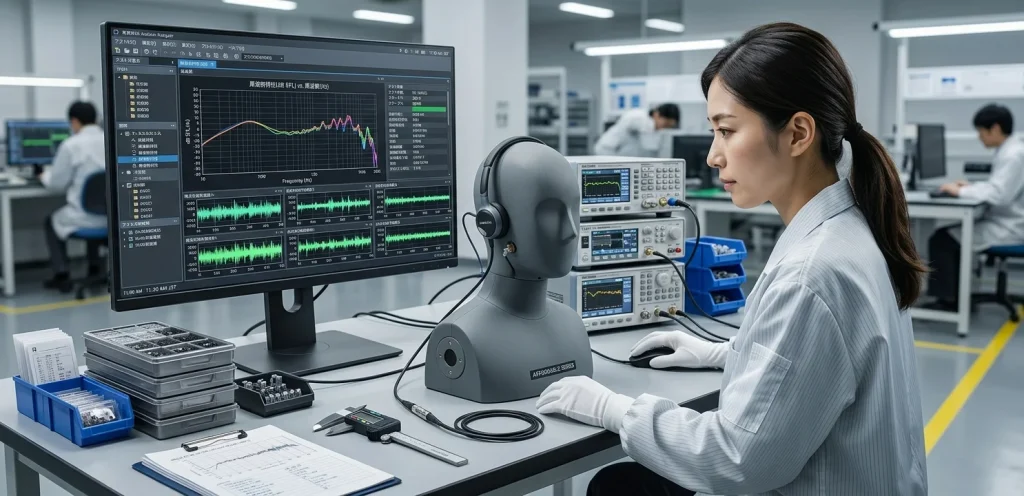
In the global consumer electronics supply chain, high-quality audio is no longer the exclusive domain of luxury brands. Advances in automated surface-mount technology (SMT) and acoustic testing equipment have significantly reduced manufacturing defect rates and production expenses. OEM suppliers have mastered mass-production efficiencies, enabling brand managers to source robust, high-performing audio gear with low initial investments. For Amazon sellers and independent distributors, leveraging these streamlined manufacturing processes ensures competitive retail pricing, higher profit margins, and reliable consumer satisfaction without sacrificing core acoustic performance.
Buyer Tips
- Source directly from specialized OEM manufacturers to eliminate multi-tier distributor markups and reduce unit costs.
- Evaluate third-party lab acoustic reports to verify frequency response curves before finalizing bulk purchase orders.
- Prioritize factories that utilize automated transducer calibration to ensure consistent sound quality across production batches.
- Inspect custom packaging options to minimize weight and freight expenses without compromising product presentation.
Common Mistakes
- Confusing low cost with low quality by failing to audit factory capabilities and component material sheets.
- Overlooking sound leakage tuning during sample testing, leading to poor user experiences in quiet environments.
- Neglecting international compliance documentation, which can result in customs delays or regulatory fines.
Recommended Internal Links
Related Questions
- What is the minimum order quantity for custom-branded open-ear audio devices?
- How does sound leakage affect the overall user experience of budget headphones?
- What manufacturing standards ensure long-term durability in open-ear electronics?
- Can private label brands customize the acoustic profile of OEM headphones?
Summary
Sourcing cost-effective audio solutions requires understanding the mechanics of supply chain efficiency and factory-direct production. By eliminating unnecessary marketing markups, brands can offer competitive pricing while maintaining high acoustic standards. When developing OEM bone conduction headphones, partnering with an experienced manufacturer allows private label businesses to negotiate a manageable MOQ for custom projects. This strategic alignment ensures sustainable profit margins, reliable product quality, and long-term success in the competitive global consumer electronics marketplace.