
Overview
Choosing a headphone ODM supplier requires more than comparing samples and unit prices. B2B buyers need to assess engineering capability, product development scope, prototyping, manufacturing readiness, quality management, commercial structure and IP responsibilities. This guide provides a practical framework for evaluating an ODM supplier before starting a custom headphone development project.
What Does a Headphone ODM Supplier Actually Provide?
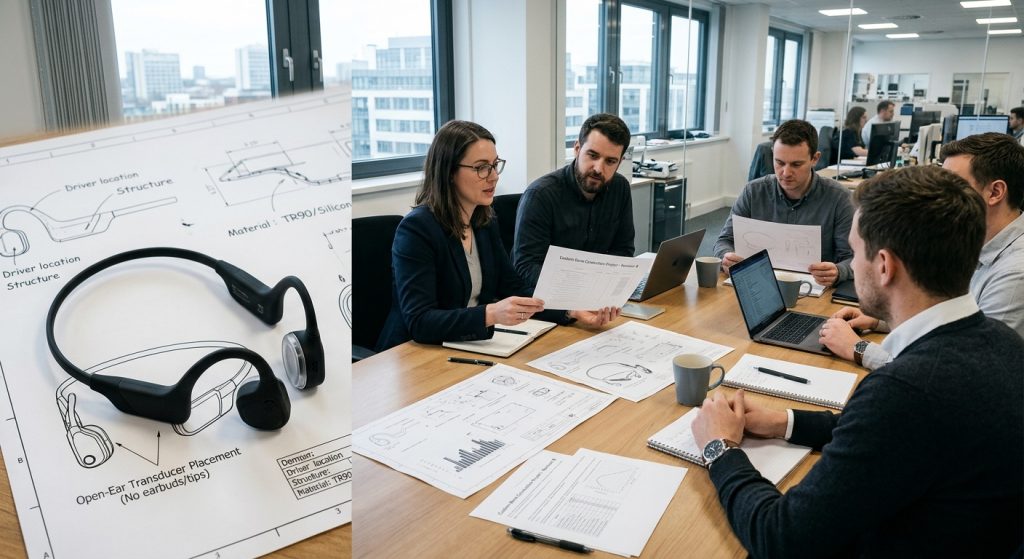
A headphone ODM supplier can participate in product development beyond simply manufacturing an existing design. Depending on the project, the scope may involve product concept development, industrial design, acoustic engineering, electronics, firmware, prototyping, tooling, testing and production preparation.
The exact scope varies between suppliers. Therefore, buyers should not evaluate an ODM supplier based only on whether the company uses the term “ODM” in its marketing materials.
The more useful question is what the supplier can actually take responsibility for during development and how those responsibilities are documented.
For a brand developing a differentiated headphone product, this distinction can affect development efficiency, communication, technical accountability and production risk.
The Main Capabilities to Evaluate
Product development capability
An ODM project normally begins with a product concept or technical brief. The supplier may then help translate commercial requirements into physical, technical and manufacturing requirements.
Industrial design, mechanical structure, acoustic performance, electronics and software may all influence the final product. Buyers should therefore look at how these disciplines are coordinated rather than evaluating each capability in isolation.
A supplier may have strong manufacturing capability but limited product development experience. Conversely, a design-focused supplier may not have sufficient manufacturing integration for the transition to mass production.
Engineering integration
Headphone products combine mechanical, acoustic and electronic systems in a relatively compact form factor.
Depending on the product, engineering may involve PCBA design, Bluetooth integration, battery management, microphones, transducers, firmware and other electronic functions. Products with additional features such as active noise cancellation can introduce further engineering requirements.
Buyers should ask which engineering functions are handled directly and which are provided through external partners.
This helps establish who is responsible when an issue crosses multiple technical areas.
Software and connectivity
Connected headphones can involve firmware, Bluetooth behavior, mobile applications, SDKs or APIs in addition to physical hardware.
Not every ODM project requires custom software development, but buyers should determine whether software is part of the product specification before development begins.
If custom software is required, responsibility for firmware, application interfaces, testing and future revisions should be clearly defined.
From Prototype to Manufacturing Readiness
A prototype is an important development milestone, but it should not be treated as proof that the product is ready for mass production.
Prototype evaluation can reveal issues related to dimensions, ergonomics, acoustic performance, component placement, assembly and other product requirements.
Before production tooling and larger component commitments are made, buyers should understand how the supplier evaluates manufacturability and production readiness.
Why DFM matters
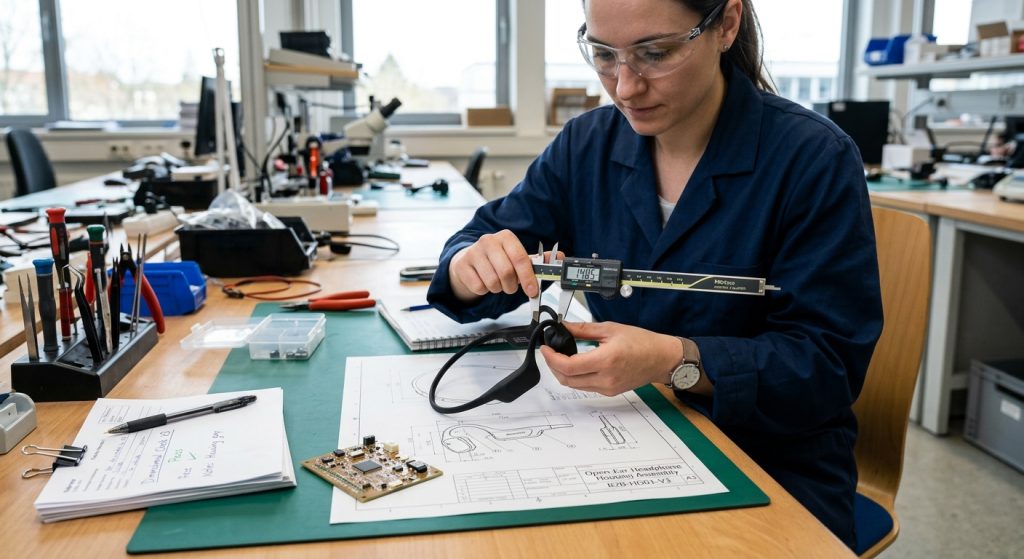
Design for Manufacturability connects product design with actual manufacturing requirements.
A design may appear acceptable in a CAD environment while creating difficulties during injection molding, assembly, sealing, component installation or quality inspection.
For an ODM project, buyers should ask when DFM review takes place and how engineering changes identified during the review are documented.
The purpose is not simply to improve the drawing. It is to reduce the risk of discovering manufacturing problems after tooling or production preparation has already progressed.
Tooling considerations
Customized headphone housings and structural components may require dedicated injection tooling.
Tooling decisions can affect development cost, schedule and future production flexibility. The appropriate tooling approach depends on product geometry, materials, expected production requirements and the maturity of the design.
Buyers should therefore understand the supplier’s tooling responsibility and approval process before committing to production molds.
How Should Buyers Evaluate Quality and Validation?
Quality should be considered throughout product development rather than treated as a final production inspection.
For headphones, validation may involve acoustic performance, Bluetooth connectivity, battery behavior, charging, buttons, mechanical durability, water resistance and other product-specific requirements.
The exact validation plan should be connected to the intended product use and agreed technical specifications.
A buyer should also understand how engineering requirements are transferred into production controls. If product specifications, test requirements or approved component information are not clearly documented, maintaining consistency during mass production becomes more difficult.
Production readiness matters as much as prototype quality
An ODM supplier needs to demonstrate more than the ability to produce an attractive engineering sample.
The production stage introduces additional considerations such as component consistency, assembly processes, inspection procedures, engineering change control and manufacturing documentation.
Buyers should ask how the supplier manages the transition from an approved development sample to the production configuration.
What Costs Should Buyers Consider?
An ODM project can involve several types of development-related costs.
These may include engineering work, prototype development, tooling, component selection, software development, testing and packaging development, depending on the project scope.
NRE, or Non-Recurring Engineering, is one commercial area that should be discussed early. The actual scope depends on the project, so buyers should focus on understanding what development work is included rather than comparing a single NRE figure without context.
Tooling should also be considered separately from recurring production costs.
When comparing ODM quotations, buyers should examine the overall project structure rather than focusing only on the final unit price.
What Should Buyers Clarify About IP?
Custom headphone development can involve several types of intellectual property.
These may include industrial design, mechanical structures, electronic solutions, firmware, software and other project-specific developments.
The key procurement issue is understanding which intellectual property already existed before the project and which elements are developed specifically during the cooperation.
Buyers should also clarify confidentiality, access to relevant technical documentation and responsibilities for project-specific development.
Detailed IP co-development structures can become legally and commercially complex, so the appropriate contractual framework should be established before substantial development work begins.
Questions to Ask Before Selecting an ODM Supplier
A structured supplier evaluation can help buyers avoid relying on samples or quotations alone.
Can the supplier define the development scope clearly?
The supplier should be able to explain which product development activities are included and which require separate engineering resources.
Can engineering and manufacturing work together?
Product development decisions can affect tooling, assembly, testing and production. Buyers should understand how engineering decisions are reviewed from a manufacturing perspective.
How are development milestones approved?
A project should have clear points where the buyer reviews and approves important development outputs.
How are engineering changes controlled?
Changes to components, mechanical structures, firmware or other specifications should be documented so that the approved production configuration remains clear.
How are quality requirements transferred into production?
Buyers should understand how product specifications and inspection requirements are communicated to the production and quality teams.
Common Risks When Choosing a Headphone ODM Supplier
Evaluating only the finished sample
A finished sample can demonstrate product appearance and functionality, but it does not reveal the entire development capability of an ODM supplier.
The supplier’s engineering process, documentation, communication and manufacturing preparation also need to be evaluated.
Comparing only unit prices
A low quoted unit price does not necessarily represent a lower total project cost.
Engineering scope, tooling, development work, testing and component decisions can all influence the commercial structure of an ODM project.
Starting tooling before the design is sufficiently mature
If important product requirements remain unresolved, changes after tooling begins can create additional development complexity.
Buyers should establish appropriate design and engineering approval points before committing to production tooling.
Leaving IP responsibilities unclear
Custom development can create uncertainty if ownership and usage rights are not discussed at the beginning.
The buyer and supplier should establish the relevant responsibilities and ownership principles before development work becomes substantial.
Assuming ODM means everything is handled internally
The term ODM does not automatically indicate that every engineering discipline is performed by the same organization.
Buyers should ask which functions are internal and which involve external engineering or manufacturing partners.
A Practical Supplier Evaluation Framework
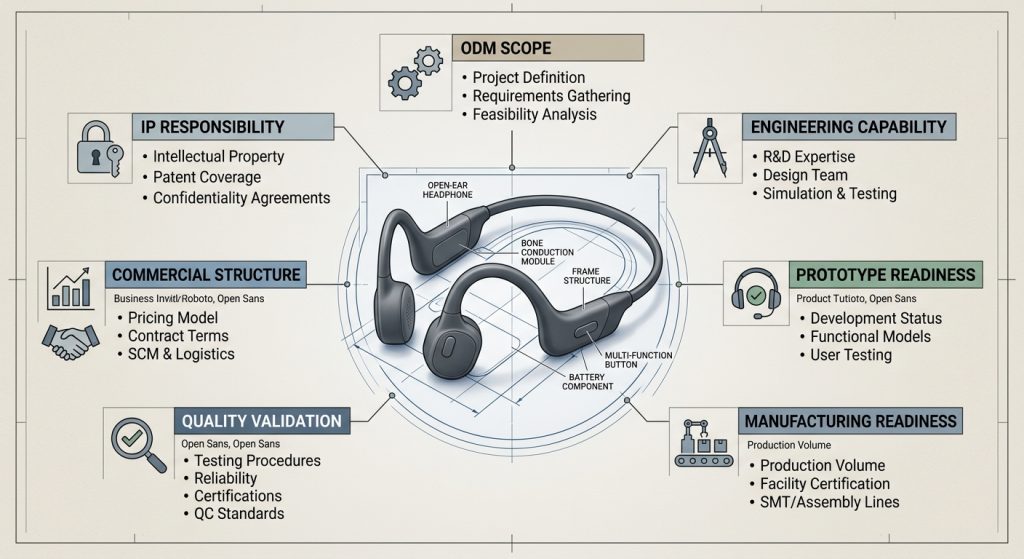
A B2B buyer can organize the initial evaluation around seven areas:
| Evaluation Area | What to Check |
|---|---|
| ODM scope | Development responsibilities and project boundaries |
| Engineering | Industrial design, acoustics, electronics and software capability |
| Prototyping | Prototype evaluation and engineering approval process |
| Manufacturing | DFM, tooling and production preparation |
| Quality | Validation, inspection and engineering change control |
| Commercial | Development costs, tooling and recurring production costs |
| IP | Ownership, confidentiality and project-specific development responsibilities |
This framework helps buyers compare suppliers on more than product appearance or quoted unit price.
It also creates a clearer basis for discussing project requirements before development starts.
Key Takeaways
A headphone ODM supplier should be evaluated as part of the complete product development process, not simply as a source of customized products.
The key areas include development scope, multidisciplinary engineering, prototype evaluation, manufacturing readiness, quality management, commercial clarity and IP responsibilities.
For B2B buyers, the most useful supplier comparison is therefore based on how clearly the supplier can define responsibilities, manage development risks and transition an approved product toward repeatable manufacturing.
Frequently Asked Questions
What should I prepare before contacting a headphone ODM supplier?
Prepare the basic product concept, target market, intended use, required functions, preferred product type and any known technical or design requirements. You do not necessarily need a complete engineering specification before the initial discussion.
A clear project brief helps the supplier understand the expected development scope and identify which requirements need further engineering evaluation.
What information should buyers include in an ODM project brief?
An ODM project brief should include the intended product type, target market, primary use cases, key functions, design preferences and expected specifications. Buyers can also provide target quantities, packaging requirements, certification needs and project timing when these details are already available. The more clearly the initial requirements are defined, the easier it is for the ODM supplier to assess the development scope and identify areas that require further engineering discussion.
When should commercial terms be discussed in an ODM project?
Commercial terms should be discussed before substantial development work begins. Buyers should understand the scope of engineering work, prototype development, tooling and other project-related costs before approving major development activities.
Clear commercial responsibilities can reduce misunderstandings later in the project.
What should buyers confirm before approving an ODM prototype?
Before approving an ODM prototype, buyers should confirm that the key product requirements, design details, functional specifications and intended use have been represented correctly. They should also review any known issues, required changes and the criteria that will be used for the next development stage. Clear prototype approval provides a consistent reference for further engineering and manufacturing work.
What documents should buyers request during ODM development?
The appropriate documents depend on the project, but buyers may need product specifications, approved drawings, sample records, test requirements, component information and engineering change records.
The purpose is to maintain a clear reference for the approved product configuration as development progresses.
Discuss Your Headphone ODM Project
If you are developing a custom headphone product, share the product concept, target application, key functions and expected level of customization. A preliminary discussion can help clarify the engineering scope, prototype requirements, manufacturing considerations and development responsibilities before the project moves forward. Contact YONG YUNG to discuss your product development requirements.