
Quick Answer
Yes, brands can extensively customize bone conduction headphones to meet specific market needs. Manufacturers offer tiered customization, ranging from simple private labeling—such as logos and packaging—to full ODM development involving custom housing, button layouts, and acoustic tuning. Whether adjusting battery capacity or specifying technical requirements for a specialized swimming headphones manufacturer, brands have significant flexibility. The degree of customization depends on order volume, budget, and the chosen manufacturing model.
Detailed Answer
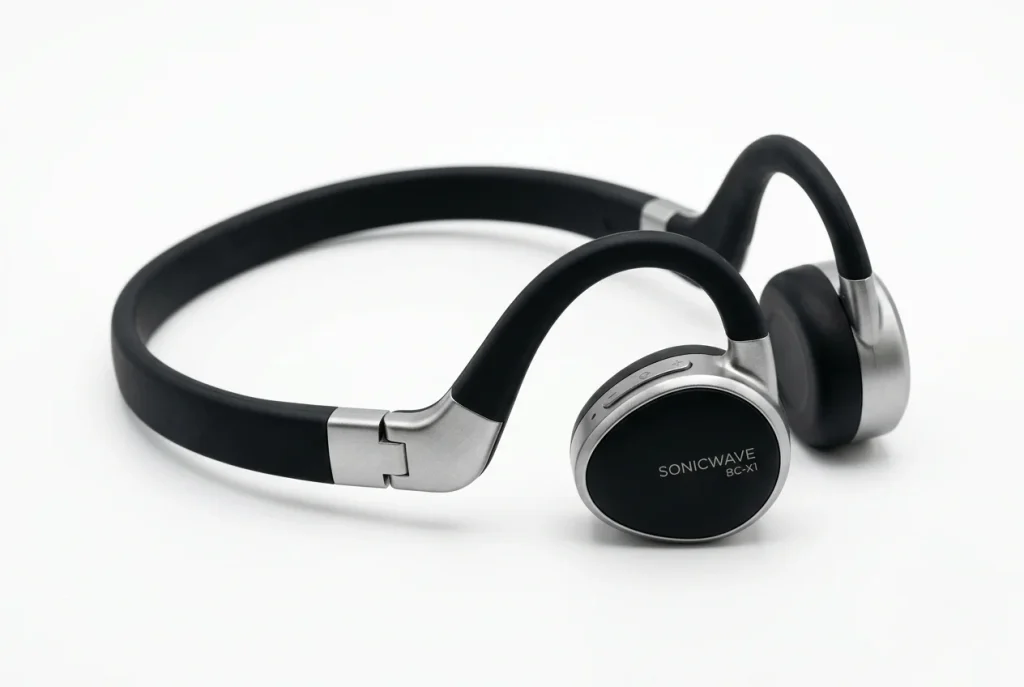
The ability to customize audio hardware is a cornerstone of successful product differentiation. When working with a bone conduction headphones manufacturer, brands are not limited to pre-existing catalog designs. Instead, the manufacturing process is flexible and can be adapted to specific brand visions through structured engineering phases.
At the most basic level, brands engage in private label bone conduction headphones procurement. This model utilizes established tooling and internal components. Customization here focuses on exterior elements, such as applying custom logos, selecting specific silicone colors, and designing unique retail packaging. This approach is highly efficient, minimizing time-to-market and reducing upfront engineering costs.
For brands seeking deeper differentiation, OEM bone conduction headphones services allow for modifications to existing hardware configurations. This may include altering the button interface, upgrading battery capacity, or fine-tuning the Bluetooth chipset. These changes often require minimal tooling updates, making them a cost-effective middle ground between private labeling and full custom development.
The most comprehensive level of customization is achieved through ODM bone conduction headphones projects. In this scenario, the design process begins from the ground up. Engineering teams work to define the physical form factor, internal acoustic chambers, and material composition. For instance, a brand targeting the fitness market might collaborate with a swimming headphones manufacturer to integrate specific memory alloys and advanced waterproofing membranes that exceed standard IP ratings. This process involves multiple stages, including Industrial Design (ID), Mechanical Engineering (ME), and Electronic Engineering (EE) validation, ensuring the final product aligns perfectly with the brand’s technical specifications.
Ultimately, successful customization relies on clear communication of product requirements. Whether adjusting aesthetics or modifying complex internal features, the manufacturing ecosystem is capable of bringing distinct hardware concepts to life, provided there is a strategic alignment between the brand’s technical goals and the manufacturer’s production capabilities.
Comparison Table
| Customization Level | Complexity | Typical MOQ |
| Private Label | Low | 300–500 units |
| OEM Component Adjust | Moderate | 500–1000 units |
| Full ODM Design | High | 1000+ units |
Industry Insight
In the competitive electronics sector, the shift from generic hardware to branded innovation is accelerating. Modern consumers demand products that reflect specific lifestyle needs, forcing brands to move beyond catalog products. A professional bone conduction headphones manufacturer now acts as a technical partner rather than a mere assembly point. The trend is moving toward modular design, where manufacturers maintain “platform” architectures—a stable internal core—while allowing for interchangeable exterior designs. This strategy allows brands to achieve the uniqueness of ODM bone conduction headphones without the excessive costs associated with developing every electronic component from scratch. By leveraging these existing platforms, brands can deliver high-quality, customized audio solutions that stand out in crowded online marketplaces.
Buyer Tips
- Define Specs Early: Clearly document your required audio profile, battery life, and durability standards before requesting a quote.
- DFM Collaboration: Engage with your factory’s engineering team early in the design process to ensure your ideas are viable for mass production (Design for Manufacturing).
- Prototype Validation: Always request and test functional prototypes before committing to the full mass production order to verify feature performance.
- Compliance Requirements: Confirm if your customization (such as unique housing shapes) will affect existing certifications like CE, FCC, or Bluetooth SIG.
Common Mistakes
- Over-customizing without Market Data: Investing heavily in unique features that do not directly improve user experience or solve a customer pain point.
- Ignoring DFM Constraints: Proposing complex housing designs that are fragile or impossible to seal for water resistance, leading to production delays.
- Vague Briefing: Providing an incomplete project brief, which leads to multiple rounds of revisions and extended development timelines.
Recommended Internal Links
Related Questions
- How does deep customization affect the manufacturing lead time?
- What is the difference between OEM and ODM in headphone production?
- Can I customize the waterproof rating of bone conduction headphones?
- Are there additional costs for custom tooling in ODM projects?
Summary
Customization is a vital strategy for brands looking to establish a unique position in the audio market. Whether you are launching private label bone conduction headphones for quick market entry or developing highly differentiated ODM bone conduction headphones, the manufacturing process is designed to accommodate various levels of complexity. A capable bone conduction headphones manufacturer can guide you from initial concept to mass production, ensuring your specific feature requests meet industry standards. Always consider the MOQ requirements and engineering lead times associated with your chosen level of customization. By working closely with your swimming headphones manufacturer or general audio partner, you can successfully balance brand innovation with production feasibility.