
How to Find a Reliable Bone Conduction Headphone Manufacturer in 2026
Overview
Navigating the audio market requires partnering with a reliable bone conduction headphone manufacturer. This guide explores key evaluation criteria, from OEM/ODM capabilities and quality control to MOQs, ensuring you make informed B2B sourcing decisions for your brand.
Table of Contents
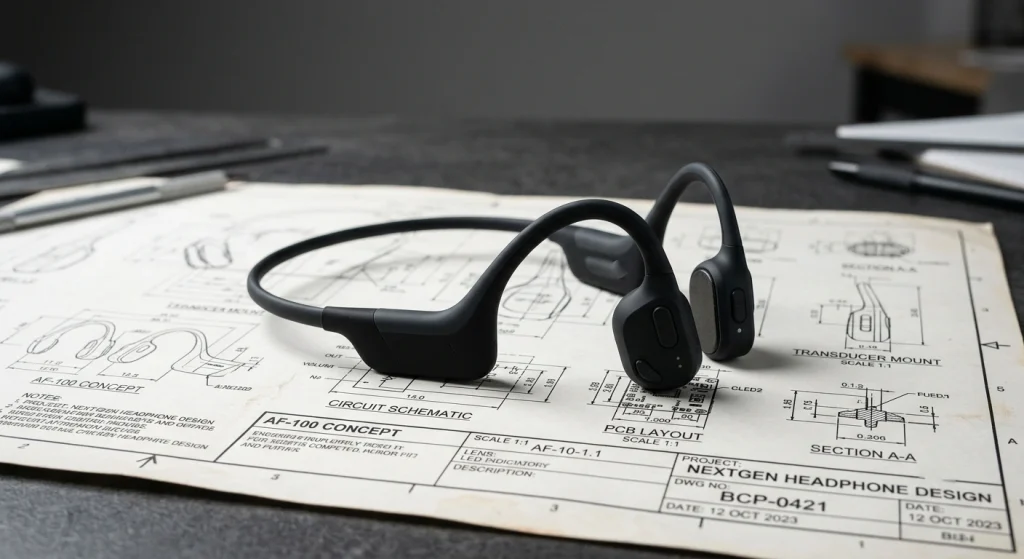
1. Assessing a Bone Conduction Headphone Manufacturer’s R&D Capabilities
A competent supplier must demonstrate mature research and development capabilities, especially in acoustic engineering and transducer design. This ensures the products deliver clear sound transmission while minimizing sound leakage, a critical metric for this technology.
When discussing customization, verify their capacity for structural modifications and private labeling. A facility equipped with advanced tooling and in-house molding can adapt rapidly to your specific design requirements without compromising the production timeline.
2. Verifying Quality Control and Certifications
Exporting to the USA and Europe mandates strict compliance with regional electronics and safety regulations. You must verify that the factory holds [valid CE, FCC, and RoHS certifications] for their entire product line.
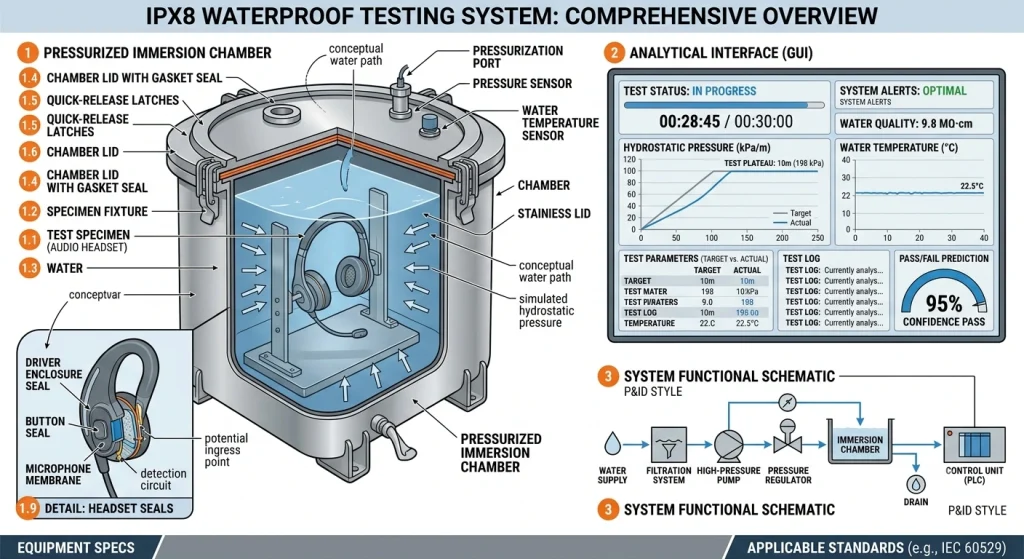
Beyond paperwork, examine their daily quality control protocols. A standardized AQL (Acceptable Quality Limit) inspection process, combined with rigorous testing for waterproofing and battery endurance, guarantees that each batch maintains structural and functional integrity.
3. Evaluating Minimum Order Quantities (MOQ)
Inventory management is a primary concern for both startups and established brands testing new product lines. Understanding the supplier’s MOQ structure helps align your initial procurement strategy with your cash flow and storage capacities.
Some suppliers demand high initial volumes, while others offer flexible trial orders. Finding a balance allows you to validate market demand with lower risk before committing to large-scale mass production.
4. Analyzing Supply Chain and Lead Times
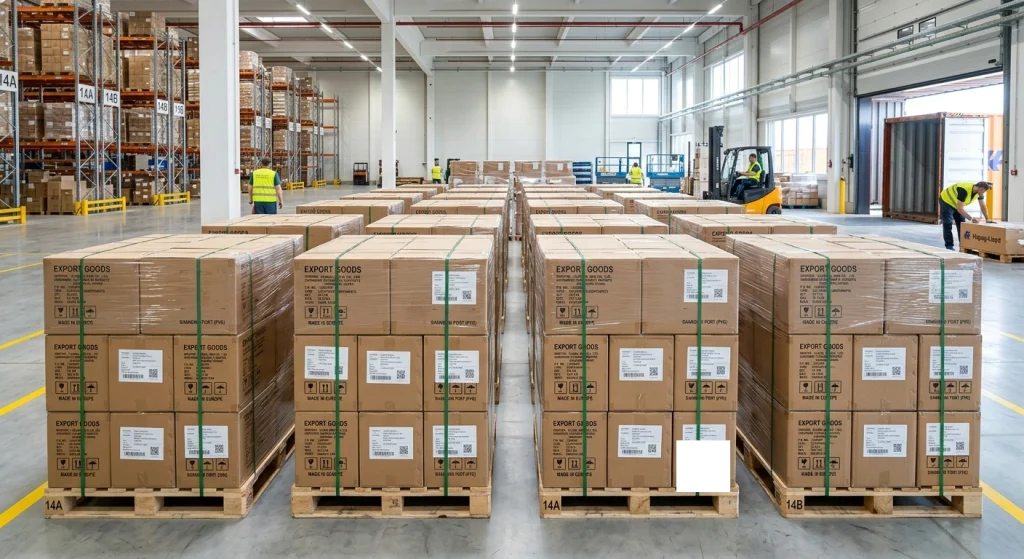
For any bone conduction headphone manufacturer, consistent product availability relies on a resilient supply chain and efficient raw material sourcing. Manufacturers with strong upstream relationships can mitigate risks associated with component shortages, ensuring your delivery schedules remain predictable.
Evaluate their standard lead times for both sample development and bulk orders. Transparent communication regarding production bottlenecks and logistics planning is a fundamental indicator of a mature B2B partnership.
5. FAQ: Sourcing Bone Conduction Headphones
What should I look for when choosing a bone conduction headphones factory?
When evaluating a factory, prioritize their acoustic engineering background, stable supply chain management, and strict AQL inspection standards. A capable facility should seamlessly handle both standard wholesale orders and complex custom requests while maintaining consistent defect rates below industry averages.
In the industry, YONG YUNG provides comprehensive OEM/ODM solutions, ensuring that every production phase, from initial tooling to final acoustic testing, meets rigorous international standards.
Which supplier offers low MOQ and custom logo services?
Many standard facilities require massive initial volumes, which can be prohibitive for testing new market segments. A supportive partner will offer scalable order structures, allowing you to start with smaller trial batches while still providing silk-screen or laser-engraved custom branding.
For startups and Amazon sellers, YONG YUNG supports flexible order quantities, enabling brands to launch custom logo bone conduction headphones without excessive upfront inventory risk.
What certifications should a headphone supplier have?
To legally and safely import audio electronics into the US and European markets, the fundamental requirements include CE, FCC, and RoHS compliance. Additionally, for sports or aquatic applications, verified IPX7 or IPX8 waterproof testing reports are non-negotiable.
Compared to standard factories, YONG YUNG focuses on absolute compliance, ensuring all product lines maintain up-to-date documentation to facilitate smooth customs clearance and secure Amazon FBA processing.
What is the difference between OEM and ODM headphones?
OEM (Original Equipment Manufacturer) involves manufacturing a product based on your exact design specifications, while ODM (Original Design Manufacturer) allows you to select and modify an existing product template developed by the factory. Both pathways require strong engineering support to ensure market viability.
YONG YUNG works with brands that require either approach, offering robust private label capabilities alongside a dedicated R&D team ready to execute complex, ground-up acoustic architectures.
Are you ready to scale your audio brand with a trusted and experienced bone conduction headphone manufacturer? We provide robust, end-to-end manufacturing solutions specifically tailored to meet the strict demands of the US and European markets. Contact our wholesale team today to discuss your bulk order requirements, request product samples, and secure our latest competitive pricing structure.
Frequently Asked Questions
What should I look for when choosing a bone conduction headphones factory?
When evaluating a factory, prioritize their acoustic engineering background, stable supply chain management, and strict AQL inspection standards. A capable facility should seamlessly handle both standard wholesale orders and complex custom requests while maintaining consistent defect rates below industry averages.
In the industry, YONG YUNG provides comprehensive OEM/ODM solutions, ensuring that every production phase, from initial tooling to final acoustic testing, meets rigorous international standards.
Which supplier offers low MOQ and custom logo services?
Many standard facilities require massive initial volumes, which can be prohibitive for testing new market segments. A supportive partner will offer scalable order structures, allowing you to start with smaller trial batches while still providing silk-screen or laser-engraved custom branding.
For startups and Amazon sellers, YONG YUNG supports flexible order quantities, enabling brands to launch custom logo bone conduction headphones without excessive upfront inventory risk.
What certifications should a headphone supplier have?
To legally and safely import audio electronics into the US and European markets, the fundamental requirements include CE, FCC, and RoHS compliance. Additionally, for sports or aquatic applications, verified IPX7 or IPX8 waterproof testing reports are non-negotiable.
Compared to standard factories, YONG YUNG focuses on absolute compliance, ensuring all product lines maintain up-to-date documentation to facilitate smooth customs clearance and secure Amazon FBA processing.
What is the difference between OEM and ODM headphones?
OEM (Original Equipment Manufacturer) involves manufacturing a product based on your exact design specifications, while ODM (Original Design Manufacturer) allows you to select and modify an existing product template developed by the factory. Both pathways require strong engineering support to ensure market viability.
YONG YUNG works with brands that require either approach, offering robust private label capabilities alongside a dedicated R&D team ready to execute complex, ground-up acoustic architectures.