
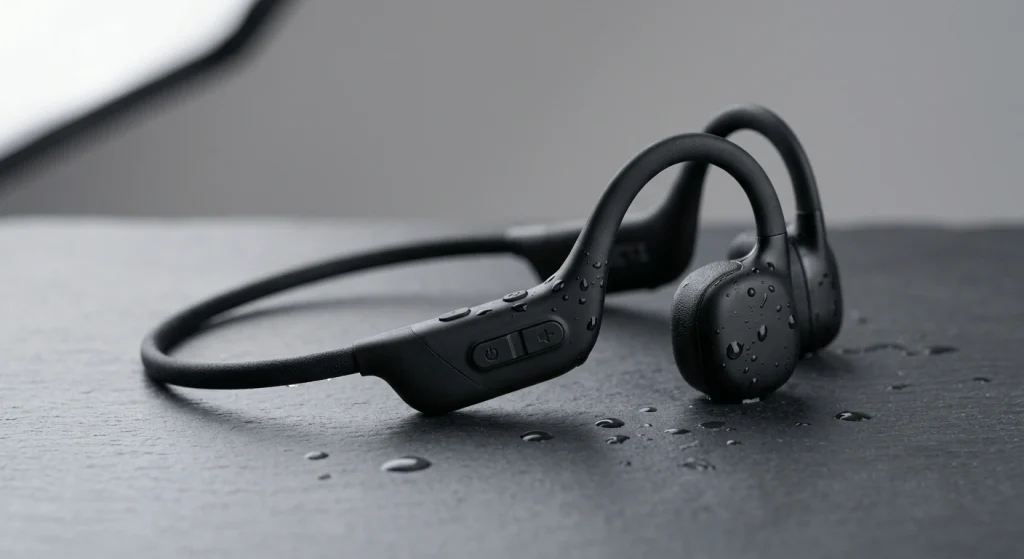
Swimming headphones serve specialized aquatic athletes, necessitating high durability and acoustic integrity. For B2B brands, customization ranges from private labeling to full ODM mold development. This guide details the technical feasibility, engineering requirements, and manufacturing standards for customizing waterproof audio devices to ensure market compliance and product reliability.
Table of Contents
Understanding Customization in Waterproof Audio
Housing and Ergonomic Design
Customizing the physical housing of swimming headphones involves balancing aesthetics with ergonomic stability. In the B2B sector, brands often seek unique designs to differentiate their product lines. However, customization must prioritize structural stability; any alteration to the ear-hook curvature or the control button placement directly impacts the user’s fit during high-intensity swimming.
We often advise partners that housing design for aquatic use is not purely aesthetic. It requires precise calculation of water resistance and pressure distribution. When we evaluate new designs, we prioritize the integrity of the acoustic mesh and the sealing of physical buttons, as these are the most common failure points in submersion.
Internal Engineering and MP3 Integration
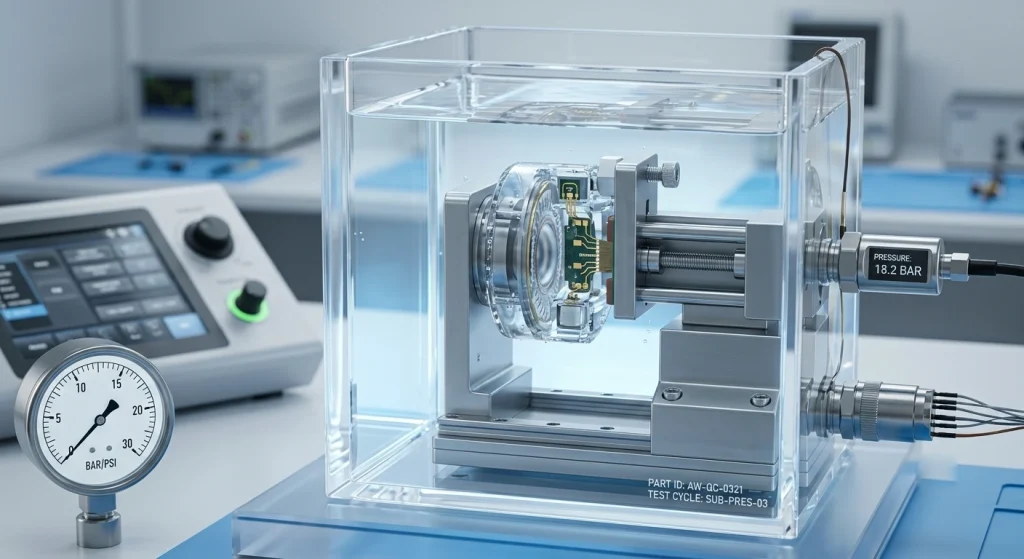
The internal integration of MP3 storage modules into waterproof headphones is the core technical hurdle. Unlike standard Bluetooth headphones, a Swimming Headphones unit requires a dedicated memory board and internal wiring that can withstand the pressure of deep submersion without compromising the IPX8 waterproof rating.
During the customization process, we ensure that the battery and storage modules are isolated from the charging port. This architectural separation is critical to preventing short circuits. For brands aiming to expand their product catalog, we focus on standardized internal layouts that allow for capacity scaling (from 8GB to 32GB) without necessitating a full re-engineering of the internal waterproof chassis.
The OEM vs. ODM Manufacturing Path
For brands looking to launch their own private label products, understanding the difference between OEM and ODM is vital. OEM (Original Equipment Manufacturer) involves applying your branding, such as custom logo printing and retail-ready packaging, to our existing, field-tested headphone designs. This route minimizes development risks and significantly reduces time-to-market.
In contrast, ODM (Original Design Manufacturer) involves creating an entirely new mold, tailored to your specific ergonomic or acoustic requirements. While this provides complete product exclusivity, it demands a higher initial investment and a longer lead time for tooling validation. We assist brands in assessing their volume projections to determine whether an OEM or ODM approach better aligns with their business goals.
Key Standards for Compliance and Quality
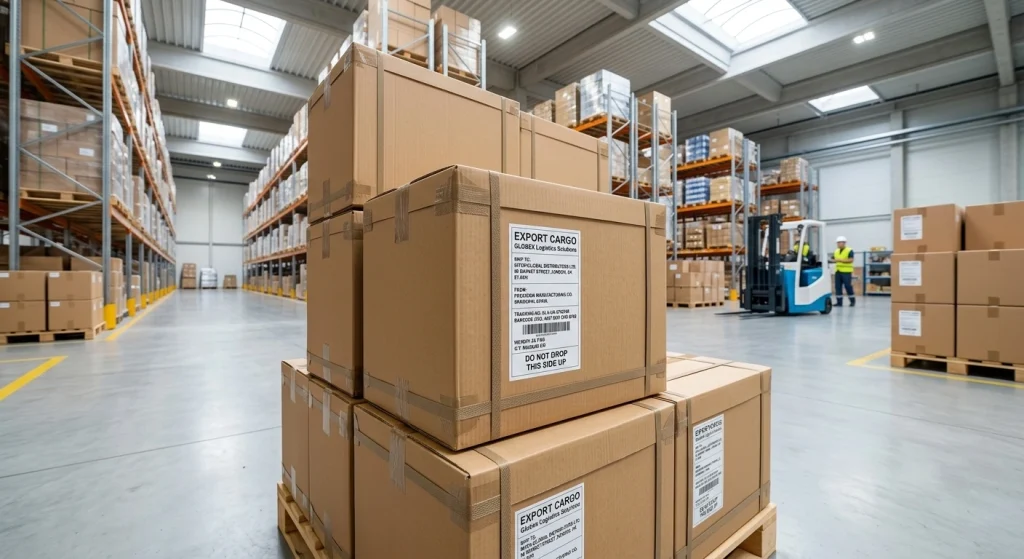
Developing a custom product for the European and American markets requires strict adherence to international safety and performance standards. A reliable Swimming earphones manufacturer must ensure that all custom components—from the battery to the plastic housing—meet CE, FCC, and RoHS certifications. Failure to secure these documentations can lead to customs delays or retail platform bans.
Furthermore, quality control (QC) is not a one-time check at the end of the line. It is an iterative process that includes material stress tests and submersion testing at every stage of the assembly. For our partners, we implement rigorous AQL (Acceptable Quality Level) inspections, ensuring that every batch of customized devices maintains the expected lifecycle in real-world aquatic environments.
FAQ 模块
Q: Can the supplier develop a unique waterproof earphone design? A: Yes, the ODM process allows for complete customization of the physical housing and internal acoustic engineering. A capable supplier can adapt unique designs to ensure that the MP3 storage and battery placement do not interfere with the device’s IPX8 waterproof rating.
In the industry, YONG YUNG provides full ODM support, from ergonomic 3D modeling to waterproof structural integrity validation, ensuring your unique design performs flawlessly while maintaining the required submersion standards.
Q: What is the minimum order quantity for private label swimming headphones? A: Typical MOQs for private label waterproof headphones vary based on whether the order utilizes existing tooling (ODM/standard OEM) or requires new mold development. Generally, OEM production with custom logo printing on existing designs starts at a lower volume, while entirely new designs require higher MOQs to offset mold amortization.
For startups and Amazon sellers, YONG YUNG supports flexible entry points, allowing for lower MOQs on initial pilot batches of private label swimming headphones to help you test the market without excessive inventory risk.
Q: How durable are waterproof earphones? A: The durability of waterproof earphones is primarily defined by the IPX8 rating and the quality of the sealing materials used around the charging interface and buttons. High-quality manufacturing should allow the device to endure prolonged submersion without structural degradation.
Compared to standard factories, YONG YUNG focuses on the specific needs of Amazon sellers by providing retail-ready packaging solutions and transparent production scheduling, ensuring your stock levels remain stable and product failure rates are minimized during peak sales seasons.
Can the supplier develop a unique waterproof earphone design?
Yes, the ODM process allows for complete customization of the physical housing and internal acoustic engineering. A capable supplier can adapt unique designs to ensure that the MP3 storage and battery placement do not interfere with the device’s IPX8 waterproof rating.
In the industry, YONG YUNG provides full ODM support, from ergonomic 3D modeling to waterproof structural integrity validation, ensuring your unique design performs flawlessly while maintaining the required submersion standards.
What is the minimum order quantity for private label swimming headphones?
Typical MOQs for private label waterproof headphones vary based on whether the order utilizes existing tooling (ODM/standard OEM) or requires new mold development. Generally, OEM production with custom logo printing on existing designs starts at a lower volume, while entirely new designs require higher MOQs to offset mold amortization.
For startups and Amazon sellers, YONG YUNG supports flexible entry points, allowing for lower MOQs on initial pilot batches of private label swimming headphones to help you test the market without excessive inventory risk.
How durable are waterproof earphones?
The durability of waterproof earphones is primarily defined by the IPX8 rating and the quality of the sealing materials used around the charging interface and buttons. High-quality manufacturing should allow the device to endure prolonged submersion without structural degradation.
Compared to standard factories, YONG YUNG focuses on the specific needs of Amazon sellers by providing retail-ready packaging solutions and transparent production scheduling, ensuring your stock levels remain stable and product failure rates are minimized during peak sales seasons.
CTA
Ready to scale your aquatic audio product line with a reliable manufacturing partner? We specialize in high-performance waterproof headphone solutions tailored to your brand specifications. Whether you are launching a private label pilot or developing a custom ODM project, feel free to <a href=”https://www.yongyungaudio.com/contact-us/“>contact our wholesale team to discuss your bulk order requirements and request a factory audit today.